

Introduction
SEO for beginners (SEO) remains one of the most powerful ways to grow organic traffic, increase visibility, and build a sustainable audience online, without paid ads. But in 2026, SEO looks different from than it did five years ago. With AI, E‑A‑T (Expertise, Authority, Trust), and user intent at the forefront, beginners often feel overwhelmed.
This pillar guide breaks SEO down into simple, actionable steps designed to help beginners rank faster, especially in low‑competition niches. We’ll walk through how search engines work, how to choose keywords with less competition, and how to optimize content (on‑page, technical, and off‑page).
By the end of this article, you’ll have a clear SEO strategy you can implement immediately, even if you’re starting from zero.
1. What Is SEO?
SEO stands for Search Engine Optimization. It’s the process of improving your website so that search engines like Google rank it higher for specific keywords, meaning more free traffic and visibility.
Search engines use advanced algorithms to determine:
- What content is about
- How relevant the content is to a search query
- How trustworthy is that content and website are
Why SEO Matters for Your Website
- Long‑term organic traffic
- Higher credibility and trust
- Better user engagement
- Cost‑effective compared to paid advertising
Organic traffic from SEO generally converts better because users already want what you offer. That makes mastering SEO crucial for bloggers, business sites, e‑commerce stores, and content creators alike.
2. How Search Engines Work (Simple Explanation)
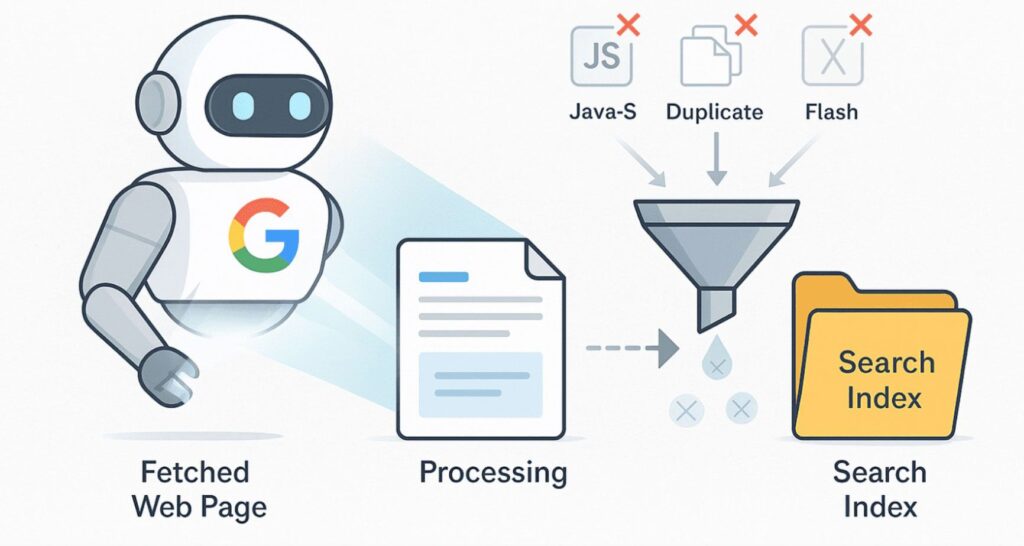
Understanding how search engines operate is crucial for SEO for beginners, because it helps you optimize your website in a way that both users and search engines can understand. Essentially, search engines follow three main steps to determine which pages should rank for specific queries.
1. Crawling
Crawling is the first step in which search engines send automated bots, often called spiders or crawlers, to discover pages on the web. These bots follow links from one page to another, collecting information about your content, structure, and hierarchy.
For SEO beginners, this means your website should be easy to navigate and properly linked. A well-structured site ensures that crawlers can reach every important page, which increases the chances of your content being indexed and ranked.
Tip for SEO beginners: Use a clean menu structure, internal links, and a sitemap to help crawlers find all your pages.
2. Indexing
Once a page is discovered, search engines decide whether it should be added to their index, which is a massive database of all known web pages. During indexing, search engines analyze your content, keywords, meta tags, headings, and overall relevance.
Pages that are not indexed cannot appear in search results, no matter how well-optimized they are.
For beginners learning SEO, focus on:
- Writing original, high-quality content
- Including relevant keywords naturally
- Using descriptive titles and meta descriptions
Indexed pages are the foundation of ranking — if your content isn’t indexed, search engines can’t show it to users.
3. Ranking
Ranking is the final step, where search engines determine the order of results for a given query. Algorithms consider hundreds of factors, including:
- Content relevance and quality
- Page speed and mobile-friendliness
- Backlinks and domain authority
- User experience metrics
For SEO beginners, understanding ranking signals helps you create content that not only gets discovered but also performs well in search results.
Pro Tip: Focus on low-competition keywords to increase your chances of ranking quickly, even as a beginner. This strategy helps you gain organic traffic faster and builds credibility for your website.
3. SEO in 2026: What Has Changed?
The fundamentals of SEO are the same, but these trends are shaping the landscape:
AI and Search Intent
Google’s algorithms now understand context and intent much better. That’s why content must answer the searcher’s question clearly and comprehensively.
Core Web Vitals
Speed, interactivity, and layout stability directly impact ranking.
E‑A‑T (Expertise, Authority, Trust)
Especially for health, finance, or advice content.
Content Depth & User Value
Short, shallow content rarely ranks well anymore. Longer, well‑structured content wins.
4. Keyword Research: The Heart of Low‑Competition SEO
Keyword research tells you:
- What people are searching for
- Which topics are easier to rank for
- Where organic traffic opportunities lie
What Is a Low‑Competition Keyword?
A keyword that many people search for, but few quality pages currently answer well. These are gold mines for beginners.
Tools You Can Use
| Tool | Free/Paid | Best For |
|---|---|---|
| Google Search Console | Free | Real user search queries |
| Google Keyword Planner | Free | Search volume estimates |
| Ubersuggest | Free + Paid | Competitive overview |
| AnswerThePublic | Free + Paid | Question‑style keywords |
| Keyword Surfer (Chrome) | Free | On‑page volumes |
Read Also: Blogging for Beginners: The Complete Practical Guide to Start, Grow, and Earn Online
Step‑by‑Step Keyword Research
Step 1: Seed Keywords
Start with basic terms relevant to your niche, e.g., SEO tools, content SEO, and keyword research tips.
Step 2: Expand Long‑Tail Variants
Long‑tail keywords are easier to rank for because they:
- Have a clear intent
- Lower competition
Examples:
- “SEO for beginners guide”
- “How to find low competition SEO keywords”
- “SEO checklist for 2026”
Step 3: Analyze Competition
Look at:
- Page authority
- Content length
- Content quality
- User engagement signals
If the top results are short or thin content, you have an opportunity.
5. On‑Page SEO: Optimize Content for Search and Users
1. Title Tags (SEO Title)
Your SEO title should:
- Include the main keyword
- Be compelling and click‑worthy
- Stay within 50–60 characters
Example:SEO for Beginners (2026): Low Competition Strategy to Rank Faster
2. Meta Description
A short description (120–155 characters) that encourages clicks.
Example:
“Learn step‑by‑step SEO for beginners to find low‑competition keywords and rank higher in 2026.”
3. Headings (H1, H2, H3)
Proper structure helps both users and search engines understand your content hierarchy.
4. Content Optimization
✔ Use the focus keyword naturally
✔ Include related keywords and semantic terms
✔ Avoid keyword stuffing
5. Internal Linking
Link to relevant pages on your site to:
- Distribute link authority
- Keep readers engaged
- Help search engines find more content
6. High‑Impact SEO Elements That Beginners Often Miss
Image Alt Text
Describe images with keywords to improve accessibility and ranking.
Example:alt="SEO keyword research tutorial for beginners"
URL Structure
Use short, descriptive URLs.
Good:/seo-for-beginners-guide
Avoid:/page123?ref=99
Rich Snippets & Structured Data
Use schema markup to help search engines display enhanced results.
Examples:
- FAQ schema
- How‑to schema
- Article schema
7. Technical SEO: Optimization Behind the Scenes
Technical SEO ensures your site is crawlable, indexable, and fast.
1. Fast Page Loading Speed
Crucial for user experience and rankings.
Tips:
- Compress images
- Use CDN
- Minify CSS & JavaScript
2. Mobile‑First Design
Most searches now come from mobile devices — your site must look good and perform well on phones.
3. XML Sitemap
Submit your sitemap to Google Search Console to help crawlers find pages faster.
4. Robots.txt
Ensure you’re not blocking pages unintentionally.
5. HTTPS Security
Secure sites (HTTPS) are trusted more by users and search engines alike.
8. Content Strategy for 2026: Long‑Form + Value‑Driven
Search engines reward content that:
✔ Thoroughly answers user queries
✔ Keeps readers engaged
✔ Provides real value and insight
Why Long‑Form Content Works
Longer articles generally:
- Cover topics more comprehensively
- Get more backlinks
- Rank for more keywords
How to Structure Long‑Form SEO Content
- Intro that hooks readers
- Clear sections with headings
- Practical examples & visuals
- Internal & external links
- Summary + clear call to action
9. Local SEO (If You Have a Local Business)
Local SEO helps businesses show up in local search results and Google Maps.
Key Components:
- Google Business Profile
- Local keywords (e.g., “SEO services in Kathmandu”)
- NAP consistency (Name, Address, Phone)
- Local citations & reviews
Local SEO can be a low‑competition strategy for geographic targeting.
10. Link Building (Off‑Page SEO) for Beginners
Getting backlinks signals authority to search engines.
Beginner‑Friendly Link Sources:
- Guest posting on niche blogs
- Forum and community contributions (value first!)
- Resource page outreach
- Broken link building
Remember: quality > quantity.
Read Also: How to Start Feelancing and Earn Online in 2026
11. Content Promotion to Boost SEO Signals
SEO isn’t just about publishing; it’s about getting attention.
Promotion Strategies:
- Share on social media
- Email newsletters
- Online communities (Reddit, Quora, niche forums)
- Collaborate with influencers
Traffic increases user engagement signals, which can indirectly boost rankings.
12. Measuring SEO Success: Tools & Metrics
Use these tools to track how well your SEO efforts perform:
| Tool | What It Measures |
|---|---|
| Google Analytics | Organic traffic, engagement |
| Google Search Console | Rankings, impressions, CTR |
| Ahrefs | Backlinks & keyword tracking |
| Ubersuggest | Keyword difficulty & ideas |
Key Metrics to Track:
- Organic sessions
- Keyword rankings
- Click‑through rate (CTR)
- Bounce rate
- Time on page
13. Common SEO Mistakes Beginners Make
❌ Targeting super‑competitive keywords
❌ Ignoring user intent
❌ Duplicate content
❌ Not optimizing on‑page elements
❌ Slow site speed
❌ No internal links
Avoiding these mistakes accelerates your ranking success — especially in low‑competition niches.
14. SEO For Beginners Checklist
✔ Keyword research
✔ Mobile optimization
✔ Fast page speed
✔ Internal & external linking
✔ Structured URLs
✔ Image alt attributes
✔ Content depth
✔ Meta tags
✔ Analytics setup
✔ Backlink outreach
Copy this checklist and use it on every new blog post.
15. Advanced SEO Tips That Deliver Results Faster
Target Feature Snippets
Craft answers to common questions that search engines can show at the top of results.
Content Clusters
Group related content around one main topic to boost authority.
Optimize for Voice Search
Use conversational keywords (e.g., “How do I do SEO?”).
User Engagement Signals Matter
Improve dwell time with:
- Engaging intros
- Subheadings
- Multimedia
Conclusion
SEO doesn’t have to be confusing- even beginners can rank well by focusing on:
📌 Low‑competition keyword opportunities
📌 High‑value content
📌 Solid on‑page & technical SEO
📌 Strategic content promotion
📌 Smart measurement & iteration
If you implement the strategies in this pillar guide consistently, you’ll be poised to rank faster, even in competitive niches, and build a foundation for long‑term organic traffic growth in 2026 and beyond.